
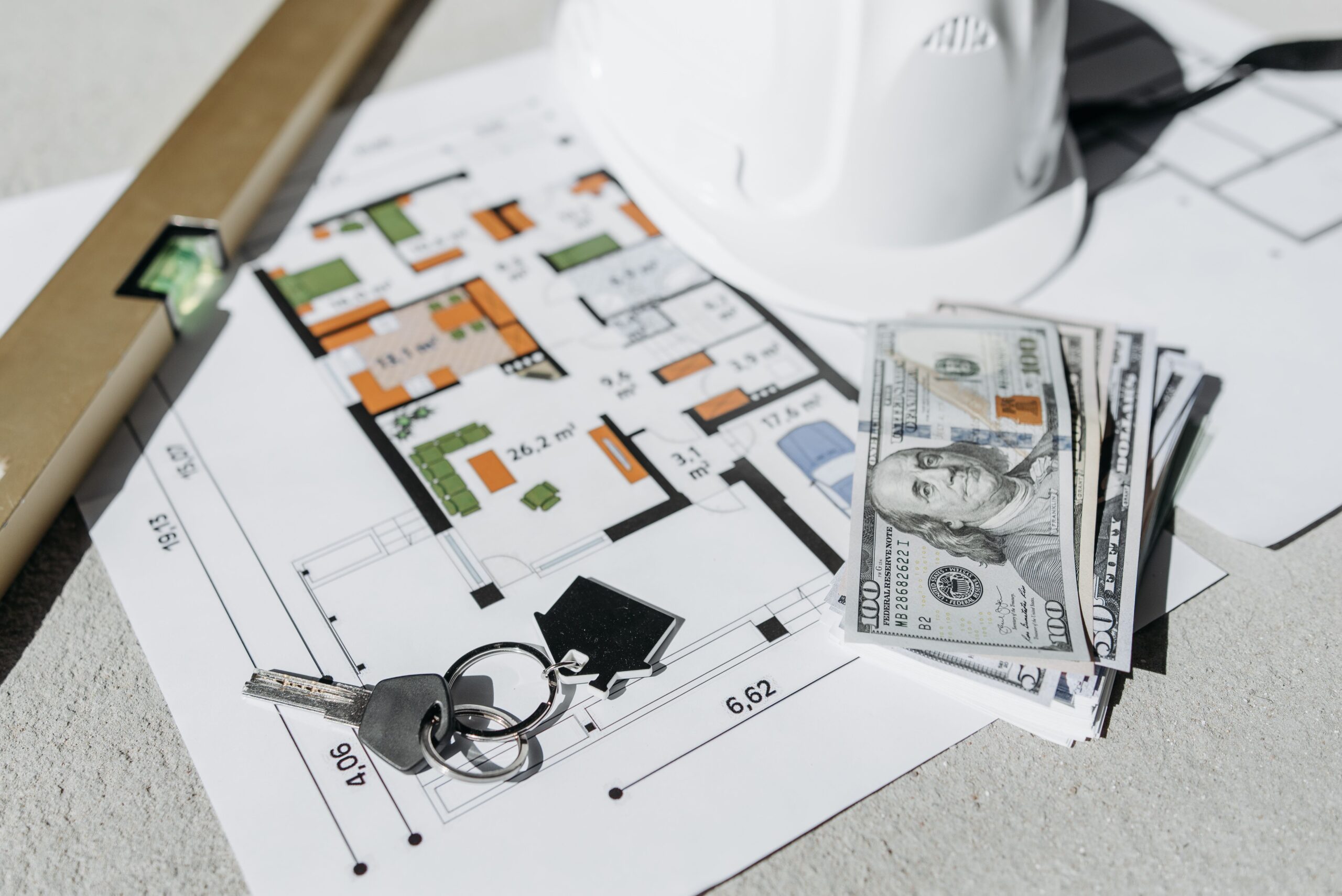
Hard money loans for fix and flip investors remain an important financing option for real estate investors who need fast funding to purchase, renovate, and resell properties. Unlike traditional mortgages, these loans focus heavily on the property’s value, renovation potential, and the borrower’s exit strategy. This can make them useful for investors who want to compete for distressed homes or properties that need substantial repairs.
However, fast funding often comes with higher interest rates, origination fees, and shorter repayment periods. Choosing the wrong lender can reduce your profit or create costly delays. In this guide, you will learn how hard money loans work in 2026, how to compare lenders, what rates and fees to expect, and how to qualify for financing.
What Are Hard Money Loans for Fix and Flip Investors?
Hard money loans are short-term, asset-based loans commonly used to finance investment properties. A private lender or specialized real estate financing company provides the funds. The property serves as collateral, while the investor agrees to repay the loan under specific terms.
For fix and flip investors, funding may cover the purchase price and, depending on the lender, some or all renovation costs. Certain lenders release renovation funds through scheduled draws after inspecting completed work.
Unlike conventional mortgages, hard money financing may place greater emphasis on the property’s after-repair value (ARV), the investor’s experience, available cash, and the proposed renovation budget. Nevertheless, credit history and income can still affect approval.
How the Fix and Flip Loan Process Works
First, an investor identifies a property with potential resale value. Next, the investor estimates repair costs and calculates the property’s ARV. The lender reviews the deal, evaluates the collateral, and determines the loan amount.
After approval, the lender funds the purchase according to the closing agreement. Renovation money may be released in stages. Once repairs are complete, the investor sells the property or refinances into another suitable loan. The original hard money loan must be repaid according to its terms.
Best Hard Money Lenders for Fix and Flip Investors in 2026
The best lender depends on your location, investment experience, property type, project budget, and expected holding period. Rather than choosing a lender based on advertised rates alone, compare the total financing cost and the likelihood of closing on time.
1. Kiavi
Kiavi is a real estate investment lender known for financing residential investment properties. Investors can explore its fix and flip financing options, eligibility criteria, and loan structures.
Compare its purchase financing, renovation funding, underwriting process, and closing timeline with your project requirements. Ask whether the quoted terms include all required fees and whether renovation funds are released through a draw process.
2. RCN Capital
RCN Capital offers financing options for real estate investors, including short-term investment property loans. It may be worth evaluating if you need funding for a residential renovation and resale project.
Request a written quote that explains the maximum loan amount, eligible property types, experience requirements, minimum cash contribution, and repayment conditions. Confirm that the specific product is available in your state.
3. Lima One Capital
Lima One Capital provides real estate investment financing, including products designed for property investors. Its current offerings and qualification standards should be reviewed before applying.
Investors should ask about purchase and renovation financing, appraisal requirements, construction draws, extension fees, and minimum liquidity. These details can affect both project feasibility and final profit.
4. New Silver
New Silver specializes in real estate investment financing and provides information about its lending products online. It may be useful for investors comparing digital application processes and short-term property financing.
Before choosing a loan, verify current availability, geographic coverage, interest rates, and underwriting requirements. A convenient application process does not necessarily mean the loan has the lowest total cost.
5. Local Private and Hard Money Lenders
Local lenders can be useful when a property has unusual characteristics or requires a flexible closing arrangement. Some understand neighborhood values and local renovation costs well.
However, private lending terms vary considerably. Review the lender’s experience, funding capacity, contract terms, and references. Verify the business and relevant licensing or registration requirements where applicable. Never transfer money based solely on an online advertisement or an unverified promise of guaranteed approval.
Important: These lenders are options to investigate, not a guaranteed ranking of the best offers in 2026. Rates, products, availability, and eligibility can change. Obtain current written quotes before making a decision.
Hard Money Loan Rates in 2026
Hard money loan rates are generally higher than conventional mortgage rates because the loans are short-term, secured by investment property, and often involve renovation or resale risks. The rate offered to an individual investor depends on the lender, location, property condition, leverage, credit profile, and experience.
There is no single rate that applies to every fix and flip loan in 2026. Instead of relying on an outdated advertised figure, ask lenders to provide their current annual interest rate, points, fees, and payment schedule.
What Determines Your Interest Rate?
- Loan-to-value ratio: Lower leverage may improve the terms available to some borrowers.
- After-repair value: A realistic ARV supported by comparable sales can strengthen the application.
- Credit profile: Some lenders use credit history to assess repayment risk.
- Investment experience: A documented record of successful projects may help with underwriting.
- Property condition: Extensive repairs or unusual properties may increase perceived risk.
- Project location: Local resale demand and property values can affect financing decisions.
Hard Money Loan Fees and Closing Costs
Interest is only one part of the cost of borrowing. To compare financing offers accurately, calculate the full cost of the loan from closing through repayment.
| Cost | What It Covers |
|---|---|
| Origination points | An upfront lender charge, commonly calculated as a percentage of the loan amount. |
| Interest payments | The cost of borrowing, based on the outstanding balance and loan terms. |
| Appraisal or valuation | An assessment of the property’s current or projected value. |
| Inspection fees | Checks on property condition or completed renovation work. |
| Title and settlement costs | Services required to complete and document the transaction. |
| Draw fees | Charges that may apply when renovation funds are inspected and released. |
| Extension or exit fees | Potential charges for extending the loan or repaying under specified conditions. |
Some lenders also charge underwriting, processing, legal, or servicing fees. Request a complete fee schedule and confirm whether interest accrues on the full commitment or only on funds disbursed.
Hard Money Loan Requirements in 2026
Qualification standards vary by lender. Still, most applications require enough information to assess the property, the investor, and the repayment plan.
Credit Score and Financial Profile
Some hard money lenders accept borrowers who do not qualify for conventional mortgages. However, this does not mean credit history is irrelevant. Lenders may review credit scores, recent delinquencies, available cash, existing debt, and financial reserves.
Ask about the lender’s minimum credit requirements before paying for an appraisal or submitting a full application.
Down Payment and Available Cash
Investors usually need cash to cover part of the purchase, closing costs, and expenses that the loan does not finance. You may also need reserves for insurance, property taxes, utilities, unexpected repairs, and loan payments.
Do not assume that a lender will finance the entire purchase price and renovation budget. Confirm the maximum leverage, required contribution, and conditions for each renovation draw.
Property Value and ARV
The lender may evaluate the purchase price, current market value, renovation scope, and estimated after-repair value. Comparable sales should support the projected resale price.
Overestimating ARV can lead to lower-than-expected financing or a project that fails to generate enough profit. Use conservative comparable sales and allow for selling costs and market changes.
Renovation Budget and Exit Strategy
Prepare a detailed scope of work, contractor estimates, material costs, and a realistic completion schedule. Include a contingency reserve for unexpected repairs.
Your exit strategy should explain how you intend to repay the loan. Selling the renovated property is one option. Refinancing may be another, but approval is not guaranteed. A refinance depends on the property’s value, rental income where relevant, credit, equity, and the new lender’s rules.
How to Calculate Fix and Flip Loan Profitability
Before accepting financing, estimate the project’s full cost and likely resale proceeds. Consider this simplified example.
An investor purchases a property for $180,000 and plans to spend $40,000 on renovations. The estimated resale price is $280,000. Purchase and renovation costs total $220,000 before financing, taxes, insurance, holding costs, and selling expenses.
If selling expenses are estimated at $20,000, the remaining amount is $40,000 before financing and other holding costs. If financing and holding expenses total $18,000, the estimated profit falls to $22,000 before taxes and any additional unexpected costs.
This example is illustrative, not a forecast. Actual expenses and sale prices can differ substantially. A delayed renovation or lower resale price could reduce the profit further.
Use a Conservative Deal Analysis
Calculate at least three scenarios: expected, pessimistic, and optimistic. Test what happens if repairs cost more, the property takes longer to sell, or the resale price falls. Proceed only when the project remains financially manageable under realistic downside assumptions.
Hard Money Loans vs. Traditional Investment Property Loans
Traditional investment property loans may offer lower interest rates and longer repayment periods. However, they often involve more documentation and may not finance properties that need extensive repairs.
Hard money loans may provide a faster route to funding when the deal is time-sensitive. The trade-off is higher borrowing costs and a shorter deadline for selling or refinancing.
Compare these options using the same purchase price, renovation budget, expected holding period, and exit strategy. Review the total dollars paid, not just the monthly payment or advertised rate.
How to Choose the Right Fix and Flip Lender
Follow these steps before committing to financing.
- Get multiple quotes: Compare at least three lenders when possible.
- Request written terms: Review interest, points, closing costs, minimum loan amounts, and repayment conditions.
- Confirm renovation funding: Understand draw schedules, inspection requirements, and reimbursement delays.
- Check the closing timeline: Make sure funding can meet the purchase contract deadline.
- Review the exit terms: Identify maturity dates, extension conditions, late charges, and prepayment rules.
- Verify the lender: Check business references, applicable licensing requirements, and the legitimacy of the loan documents.
A lower rate is not always the best deal. A lender with transparent terms, reliable funding, and a workable draw process may be more valuable than one offering a slightly cheaper rate but creating costly delays.
Common Mistakes Fix and Flip Investors Should Avoid
One common mistake is buying a property based on an overly optimistic resale estimate. Another is underestimating renovation costs or assuming every improvement will increase market value.
Investors should also avoid relying on a guaranteed refinance, ignoring extension fees, and using all available cash for the purchase. Keep reserves for delays and unexpected expenses. Read the loan agreement carefully and seek qualified legal or financial advice when needed.
Finally, do not confuse real estate investing with unrelated online income strategies. Terms such as passive income, online business, affiliate marketing, dropshipping business, and affiliate vs dropshipping describe different business models. They do not replace the cash reserves and deal analysis required for a property renovation project.
Frequently Asked Questions
Are hard money loans good for fix and flip investors?
They can be useful when an investor needs short-term funding for a property that requires repairs. However, the higher borrowing costs and short repayment period make careful budgeting essential.
How much can I borrow with a hard money loan?
The amount depends on the property’s value, ARV, purchase price, renovation budget, lender limits, and borrower qualifications. Request a project-specific quote instead of assuming a standard loan percentage.
Can beginners qualify for hard money loans?
Some lenders work with first-time investors, while others prefer borrowers with completed projects. Beginners may need stronger cash reserves, a well-supported renovation plan, experienced contractors, or additional documentation.
How quickly can a hard money loan close?
Some loans close faster than traditional mortgages, but no timeline is guaranteed. Appraisals, title checks, underwriting, insurance, and property documentation can affect closing speed.
Can I use a hard money loan to finance renovations?
Some lenders offer purchase-and-renovation financing. Renovation funds may be disbursed through draws after inspections. Confirm the funding process and whether you must pay contractors before reimbursement.
Final Thoughts
Hard money loans for fix and flip investors in 2026 can help finance properties that need renovation and a relatively quick resale. The right loan depends on your project economics, the lender’s reliability, the total cost of borrowing, and a realistic exit strategy.
Compare lenders such as Kiavi, RCN Capital, Lima One Capital, and New Silver, along with reputable local private lenders. Verify current rates and requirements directly. Most importantly, calculate financing and holding costs before making an offer on a property.
Successful fix and flip investing starts with disciplined deal analysis. When the numbers work even under conservative assumptions, appropriate financing can help you pursue opportunities while managing risk.