
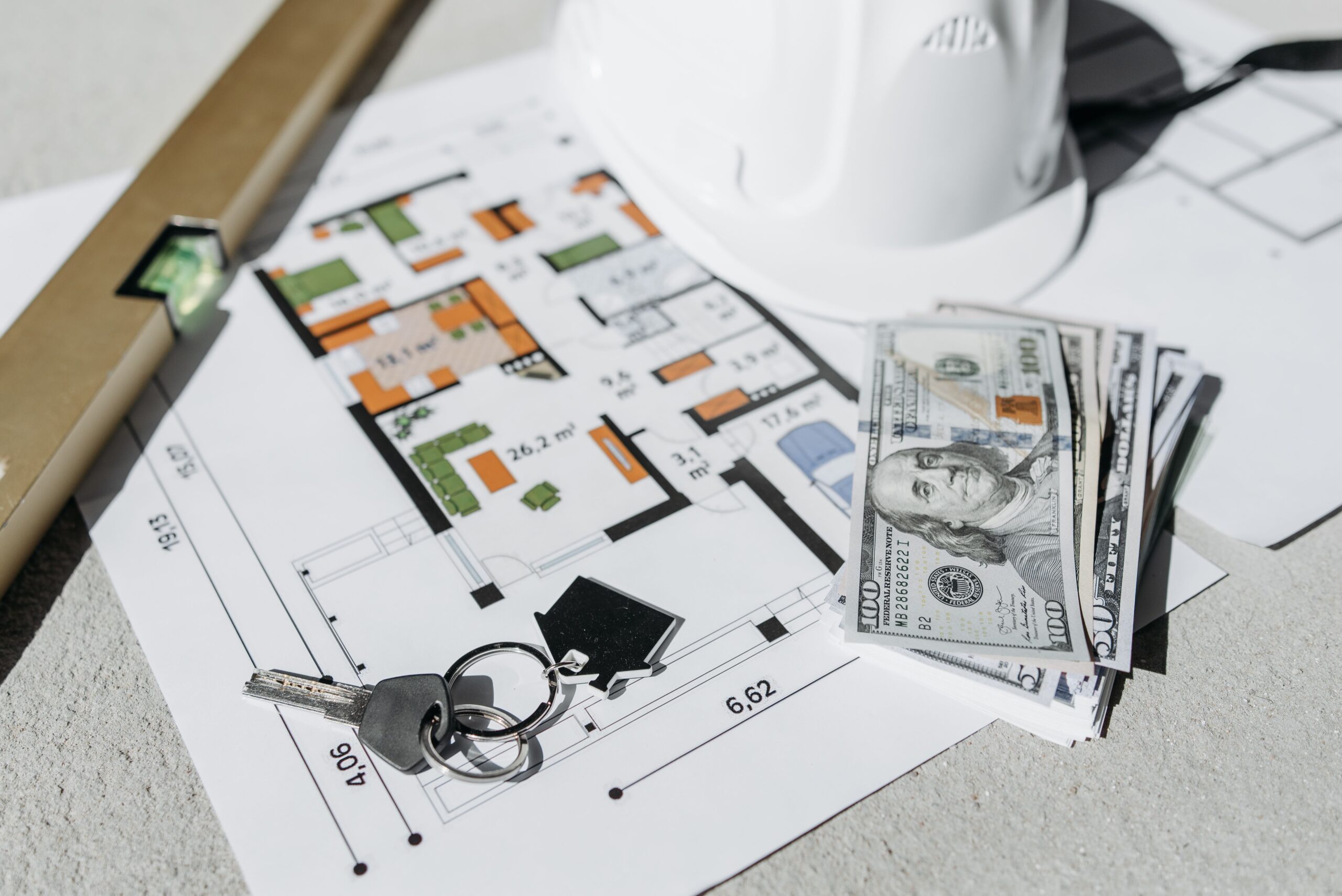
Understanding property renovation loan rates in 2026 is essential before borrowing money to repair, remodel, or upgrade a home. Whether you are planning a kitchen renovation, replacing a roof, improving a rental property, or purchasing a fixer-upper, the right financing can help control your costs and protect your budget.
However, renovation financing comes with more than an interest rate. Lenders may charge origination fees, appraisal costs, closing costs, and other project-related expenses. Your credit score, property equity, loan term, and renovation plans can also influence the final offer.
This guide explains how property renovation loan rates work in 2026, compares popular financing options, identifies common fees, and shows you how to estimate your total borrowing costs. It focuses primarily on the United States, where rates and eligibility depend on individual lenders and loan programs.
What Are Property Renovation Loan Rates in 2026?
Property renovation loan rates represent the interest borrowers pay to finance home improvements, repairs, or remodeling projects. These rates vary according to the loan type, lender, repayment period, credit profile, and collateral.
There is no single renovation loan rate for every borrower in 2026. A secured home equity loan may have different pricing from an unsecured personal loan. A renovation mortgage may also follow different underwriting and pricing rules from a short-term investment property loan.
When comparing offers, review both the interest rate and the annual percentage rate (APR). The interest rate determines the interest charged on the outstanding principal. The APR generally reflects the interest rate plus certain finance charges, making it a useful comparison tool when the disclosures use comparable assumptions.
Factors That Affect Renovation Loan Interest Rates
- Credit score: Stronger credit may help you qualify for more competitive offers.
- Loan-to-value ratio: Lower borrowing relative to the property’s value may reduce lender risk.
- Loan term: Shorter repayment periods can reduce total interest, although payments may be higher.
- Loan type: Mortgages, personal loans, and home equity products use different pricing structures.
- Property type: Primary residences, second homes, and investment properties may have different eligibility rules.
- Market conditions: Benchmark interest rates, lender funding costs, and economic expectations influence pricing.
Request personalized quotes rather than relying on advertised starting rates. The lowest advertised rate may require excellent credit, a particular loan amount, or other conditions that do not match your situation.
Types of Property Renovation Loans and Their Costs
The best financing option depends on your available equity, project size, repayment capacity, and whether you already own the property.
1. Home Improvement Personal Loans
A home improvement personal loan is generally unsecured. You do not usually pledge your home as collateral. Approval is often based on credit history, income, existing debts, and the lender’s underwriting requirements.
Personal loans can be useful for smaller renovations, such as bathroom updates, flooring, painting, or appliance replacements. Many offer fixed interest rates and predictable monthly payments.
The main disadvantage is that unsecured financing can cost more than certain secured alternatives. Origination fees may also reduce the amount you receive or increase the effective cost of borrowing. Compare the APR, repayment term, and any prepayment charges before accepting an offer.
2. Home Equity Loans
A home equity loan allows eligible homeowners to borrow against the equity they have built in their property. It commonly provides a lump sum with a fixed interest rate and scheduled monthly payments.
This option can suit borrowers who know their renovation budget in advance. It may also offer a longer repayment term than an unsecured personal loan.
However, your home serves as collateral. Missing payments can put your property at risk. Lenders may charge appraisal, title, application, or closing fees, so compare the complete cost rather than focusing only on the quoted rate.
3. Home Equity Lines of Credit (HELOCs)
A HELOC is a revolving credit line secured by home equity. You can generally draw funds as needed during the permitted draw period, making it useful when renovation expenses occur in stages.
Many HELOCs have variable interest rates. Payments can increase when rates rise, and the repayment period may involve a substantial change in required payments. Some lenders also charge annual, maintenance, or transaction fees.
Compare the initial rate, rate adjustment rules, index and margin, draw period, repayment period, and any early-closure charges. A low introductory rate does not necessarily mean the loan will remain inexpensive.
4. Renovation Mortgages
A renovation mortgage can combine property financing and eligible improvement costs into one mortgage. This may be suitable when buying a home that needs work or refinancing an eligible existing mortgage.
For example, Fannie Mae’s HomeStyle Renovation program permits eligible borrowers to finance qualifying improvements through a conventional mortgage. Depending on the transaction, eligible renovation expenses may include construction work, permits, inspections, architectural services, and other documented project costs.
Learn more through the official Fannie Mae HomeStyle Renovation program. Eligibility, maximum financing, lender pricing, and project requirements apply.
5. FHA 203(k) Rehabilitation Loans
An FHA 203(k) rehabilitation loan can help eligible borrowers finance the purchase or refinancing of a qualifying property along with approved rehabilitation work. It is particularly relevant when a property needs repairs that cannot easily be funded through a standard mortgage alone.
Borrowers should compare mortgage insurance, lender fees, appraisal requirements, contractor documentation, and rehabilitation administration costs. The program has specific eligibility rules and does not guarantee the lowest available rate.
Review the official U.S. Department of Housing and Urban Development website for current FHA program information and applicable requirements.
Property Renovation Loan Fees to Consider in 2026
Interest is only one component of the total financing cost. Before choosing a lender, request a written breakdown of upfront fees, recurring charges, and any costs that depend on the renovation process.
Common Renovation Loan Fees
- Origination fee: A charge for processing or arranging the loan, sometimes calculated as a percentage of the amount borrowed.
- Appraisal fee: Covers an assessment of the property’s current or projected value.
- Credit report fee: May cover the lender’s cost of reviewing your credit history.
- Title and recording fees: May apply when a mortgage or other property lien is created or updated.
- Inspection fees: Renovation loans may require progress inspections or a final inspection.
- Contractor and permit costs: These are project expenses rather than necessarily lender fees, but they affect the amount you need to finance.
- Closing costs: Depending on the product, these may include lender, settlement, legal, or other transaction charges.
- Annual or maintenance fees: Some credit lines or specialized financing products charge recurring fees.
Not every loan includes every fee. Ask whether charges are paid upfront, deducted from the loan proceeds, or added to the financed balance. Financing fees can increase the amount on which you pay interest.
How to Calculate Property Renovation Financing Costs
Calculating your estimated payments before applying can help you determine whether the renovation is affordable.
Consider an illustrative fixed-rate loan of $50,000 with a 9% annual interest rate and a five-year repayment term. Assuming monthly payments, a fully amortizing loan, and no additional fees, the estimated monthly principal and interest payment is approximately $1,038.
Over 60 payments, total repayments would be approximately $62,300. That means the interest cost would be about $12,300, excluding fees and other expenses. Actual lender calculations may differ slightly because of rounding and payment dates.
Use a reliable Consumer Financial Protection Bureau mortgage resource to understand mortgage costs and compare relevant disclosures. For a personal loan or credit line, use the lender’s calculator and verify the assumptions.
What to Include in Your Total Project Budget
Calculate the full cost before signing a loan agreement. Include the contractor’s estimate, materials, labor, permit charges, inspections, financing fees, and a reasonable contingency reserve for unexpected repairs.
For example, a $40,000 renovation budget may not cover every expense if the contractor discovers hidden plumbing or structural damage. A contingency reserve can reduce the risk of running out of funds, although the appropriate amount depends on the property and project.
Also consider whether you will need temporary accommodation, storage, or additional utility expenses while work is underway. These costs may not be eligible for financing, even though they affect your overall budget.
How to Get Lower Property Renovation Loan Rates
Borrowers can take practical steps to improve their chances of receiving competitive financing offers.
Improve Your Credit Profile
Check your credit reports for errors before applying. Pay bills on time, reduce revolving balances where practical, and avoid unnecessary new credit applications. These steps may strengthen your application, although approval and pricing remain lender-dependent.
Compare Multiple Lenders
Request quotes from banks, credit unions, mortgage lenders, and reputable online lenders where appropriate. Compare the same loan amount and repayment period so that the offers are easier to evaluate.
Review the interest rate, APR, total repayment amount, origination charges, collateral requirements, and prepayment terms. A lower monthly payment may simply reflect a longer repayment period and greater total interest.
Choose the Right Loan Structure
Match the financing to the project. A fixed-rate loan may work well when you need a predictable payment. A HELOC may suit phased expenses if you can manage variable rates. A renovation mortgage may be worth investigating when you are buying or refinancing a qualifying property.
Do not borrow more than the project requires simply because a lender offers a higher limit. Keeping the balance manageable can reduce interest expenses and protect your household cash flow.
Prepare Strong Project Documents
Organize contractor bids, renovation plans, permits, property records, and proof of income before applying. Clear documentation can help the lender evaluate your request and identify potential problems earlier.
Are Renovation Loans Worth It for Rental Properties?
Property renovation financing may make sense for investors who expect improvements to support rental income, occupancy, or long-term property value. However, higher rent or a better resale price is never guaranteed.
Before borrowing, estimate the property’s income after vacancy, maintenance, taxes, insurance, management costs, and loan payments. Compare the expected financial benefit of the renovation with the total borrowing and construction costs.
For example, an investor might renovate a rental unit to attract tenants willing to pay more. The investment is attractive only if the additional net income or eventual resale benefit justifies the expense and risk.
Other income projects, including an online business, affiliate marketing, or a dropshipping business, have separate operating costs and risks. Even comparisons such as affiliate vs dropshipping or plans to develop passive income should not distract from evaluating whether property debt is affordable on its own merits.
Investors should also stress-test their plans for construction delays, higher repair costs, vacancies, and interest-rate changes. A property that appears profitable under optimistic assumptions may struggle if the project runs over budget.
Common Mistakes to Avoid When Comparing Renovation Loan Rates
- Choosing a loan based only on its advertised rate: Fees and repayment terms can materially change the total cost.
- Ignoring variable-rate risk: HELOC payments may rise when market rates change.
- Underestimating construction expenses: Hidden damage, material shortages, and permit delays can increase costs.
- Borrowing against too much equity: Excessive debt can reduce your financial flexibility and increase foreclosure risk.
- Overlooking repayment restrictions: Check balloon payments, early repayment charges, and draw-period deadlines.
- Assuming renovations guarantee higher property values: Improvements do not always return their full cost at resale.
Read the loan agreement carefully and ask the lender to explain any unclear fees or conditions. For mortgages, review the required disclosures before closing and compare the final terms with your original offer.
Final Thoughts on Property Renovation Loan Rates in 2026
The best property renovation loan rates in 2026 depend on your credit profile, property equity, project budget, and preferred repayment structure. Personal loans may suit smaller projects, home equity products may work for homeowners with sufficient equity, and renovation mortgages may help eligible borrowers combine property financing with improvement costs.
Before committing, compare several written offers and calculate the complete cost of borrowing. Include interest, lender fees, contractor expenses, permits, and a contingency reserve. Most importantly, ensure that the planned monthly payment fits your budget without relying on uncertain future income or property appreciation.
Careful preparation can help you select financing that supports your renovation goals while keeping long-term financial risks under control.
Frequently Asked Questions
Are property renovation loan rates fixed or variable in 2026?
Both options are available. Personal loans and home equity loans may offer fixed rates, while many HELOCs have variable rates. Renovation mortgages may offer fixed-rate or adjustable-rate structures, depending on the program and lender.
What credit score do I need for a renovation loan?
Requirements vary by lender and loan type. A stronger credit profile may improve your approval prospects and pricing, but some programs consider other factors, including income, debts, equity, and property eligibility.
Can I finance renovation fees with the loan?
Some programs allow eligible project-related costs to be included in the financing. Other fees must be paid upfront. Ask your lender which costs qualify and whether financing them increases your principal balance.
Is a home equity loan cheaper than a personal loan?
It can be, but not in every case. Compare the APR, closing costs, repayment term, and total interest. Remember that a home equity loan uses your property as collateral, while a typical unsecured personal loan does not.
How can I find the best property renovation loan rates?
Compare quotes from several reputable lenders using the same loan amount and term. Review APR, fees, payment schedules, eligibility requirements, and total repayment costs before making your decision.